Respiratory Therapy

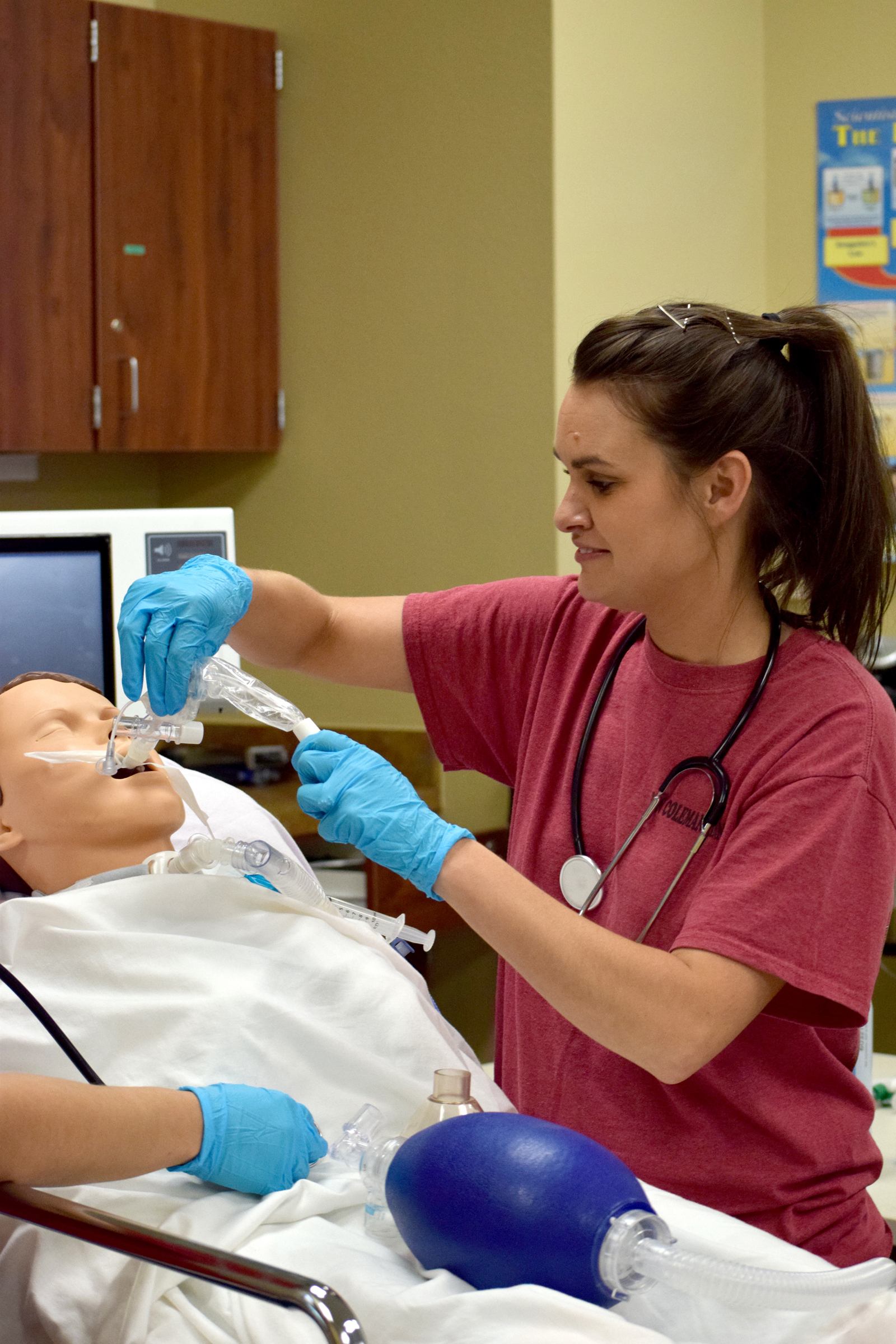
Student practicing giving oxygen to dummy patient

Program Overview

Respiratory Therapists (RT's) also known as Respiratory Care Practitioners (RCP's) evaluate, treat, and care for patients with breathing problems (asthma, emphysema, etc.) or other cardiopulmonary disorders (cardiac or respiratory arrest, trauma from an accident, stroke, or heart attack). Successful completion of the program will enable you to take a series of national board exams to become a Registered Respiratory Therapist (RRT).

Respiratory Therapy Application

Program Structure

Students The Respiratory Care Program combines classroom instruction, hands-on laboratory experience, and online coursework. Students are admitted as a cohort beginning each fall semester and progress through the program together, completing the associate degree in 22 months.

Upon graduation, students are eligible to sit for the national respiratory board examinations and begin their careers as respiratory therapists.

The curriculum provides a strong foundation in subjects such as human anatomy and physiology, pathophysiology, chemistry, physics, microbiology, pharmacology, and mathematics. In addition, students gain practical knowledge in therapeutic and diagnostic procedures, patient assessment, cardiopulmonary resuscitation (CPR), mechanical ventilation, critical care, and the implementation of Clinical Practice Guidelines.

Many graduates choose to further their education by pursuing bachelor’s or master’s degrees in the field.

Job Opportunities

Employment in respiratory therapy is expected to grow by 13% from 2023 to 2033—much faster than the average for all occupations. Respiratory therapy also ranks among the highest-paying healthcare careers that require only an associate degree.

Mission

The mission of the National Park College Respiratory Care Program is to offer a high-quality respiratory care education in a learning environment that fosters critical thinking, encourages professional leadership, and instills a strong appreciation of ethical values and human diversity. Utilizing the standards established by the Commission on Accreditation for Respiratory Care (CoARC), the established curriculum provides students with the opportunity to develop the knowledge, skills, and attitudes necessary to be outstanding patient care providers.

Accreditation

The Respiratory Care Program at NPC holds an accreditation from the Commission on Accreditation for Respiratory Care (CoARC). The link to CoARC's main webpage is www.coarc.com. CoARC accredits respiratory therapy education programs in the United States. To achieve this end, it utilizes an 'outcomes based' process. Programmatic outcomes are performance indicators that reflect the extent to which the educational goals of the program are achieved and by which program effectiveness is documented. NPC's Respiratory Care CoARC Program number is 200592. You may view NPC student outcomes at CoARC's accredited program outcomes website. You can find more information about NPC's accreditation on our accreditation page.

Certificates and Degrees

Associate of Applied Science in Respiratory Care

The Associate of Applied Science in Respiratory Care is a 77-credit hour program of study.

  • Loading...

Program Level Objectives

The curriculum for the Respiratory Therapist Program is designed to assist students in accomplishing the following objectives:  

  • Analyze and evaluate clinical data concerning the cardiopulmonary status of patients. (GEO 2) 

  • Utilize respiratory therapy equipment safely and effectively according to Evidence-Based Practice Standards in all patient situations. (GEO 3) 

  • Utilize critical thinking skills by demonstrating appropriate clinical judgment and decision-making skills for an entry-level respiratory therapist (GEO 2, 3) 

  • Facilitate interaction among and between the allied health professions including nursing, the medical specialties, hospitals and clinics, service companies and industry to provide care to patients with cardiopulmonary disease. (GEO 1, 4) 

  • Encourage and promote professional excellence, advance the science and practice of respiratory care, and serve as an advocate for patients, their families, the public, the profession and the respiratory therapist. (GEO 1, 4) 

  • Provide educational resources for patients, caregivers and the general public in respiratory health promotion, disease prevention, and rehabilitation. (GEO 1, 4) 

Meetings